
A university distributed across institutions
Universities and practitioners can contribute courses, multilingual teaching cases, facilitators and simulations. A partner institution can host a cohort or lead a community of practice. Participants bring questions from their own settings and retain responsibility for deciding what experience from elsewhere applies.
What the network can learn together
A university that has studied water governance in one region can make the evidence, disagreements and failed assumptions available to peers elsewhere. A faculty exchange or Covenant Table lets those peers question the authors directly. The University preserves those exchanges in a shared knowledge commons.
The role of LEADS Institute
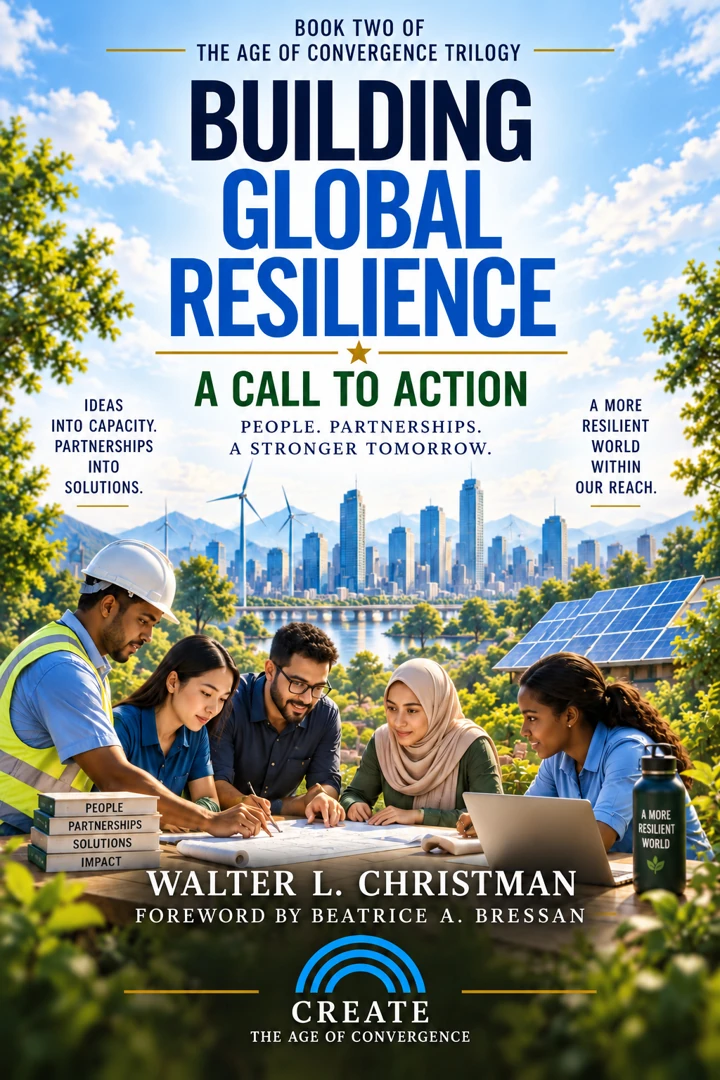
LEADS publishes The Age of Convergence trilogy and will provide administrative support for GRU. It can coordinate academic partnerships, learning materials, facilitators and institutional cohorts. Partner universities can explore recognition of learning under their own academic authority.
What members could support together
Members could consider a Consortium contribution toward multilingual teaching cases, faculty exchanges or an international cohort. Each academic institution decides what teaching and recognition it can offer.